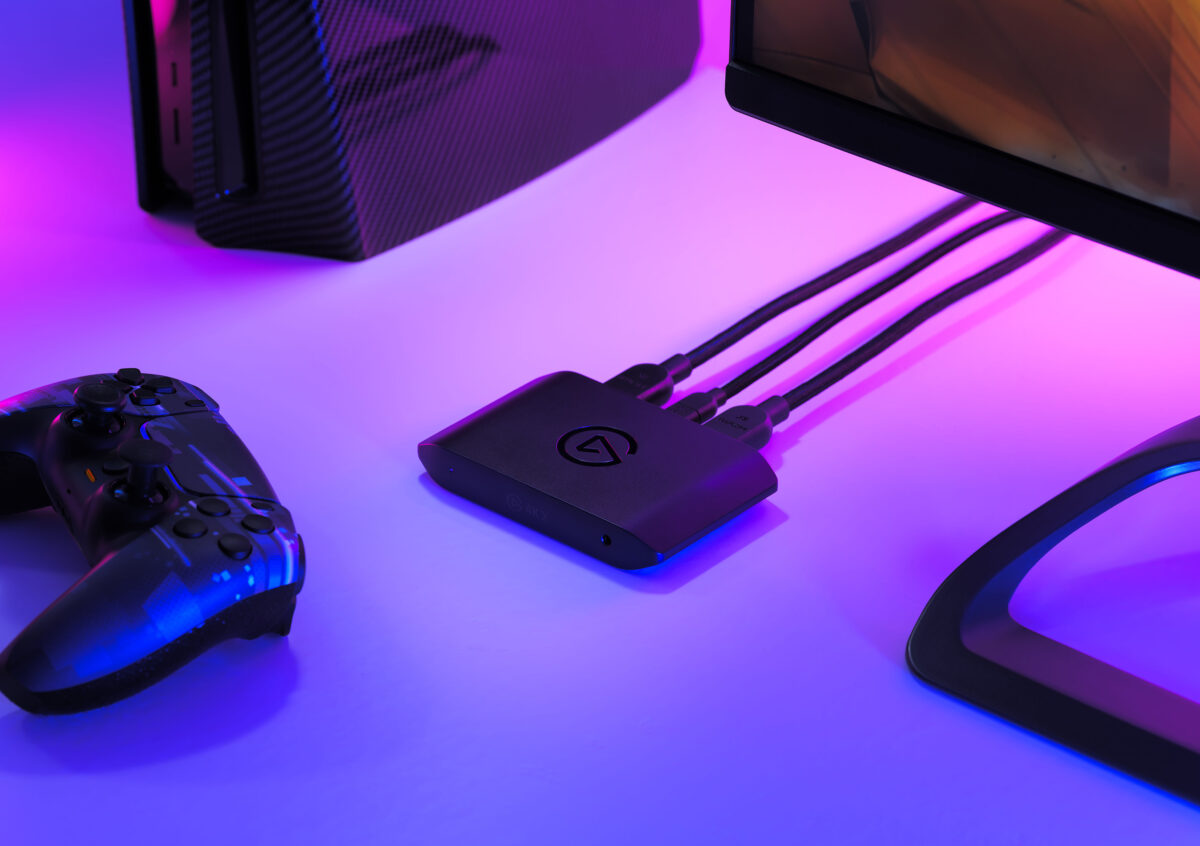
Detoxall17 – The capture card was once a niche product for professional content creators. As gaming has become a spectator activity, with millions of players streaming their gameplay to platforms like Twitch and YouTube, the capture card has become an essential tool for a growing segment of gamers. Elgato’s 4K X, launched in early 2026, represents the evolution of the capture card from a functional tool to a sophisticated device that enhances both the streaming experience and the gameplay itself.
The Capture Card Evolution: How Elgato 4K X Is Changing Content Creation
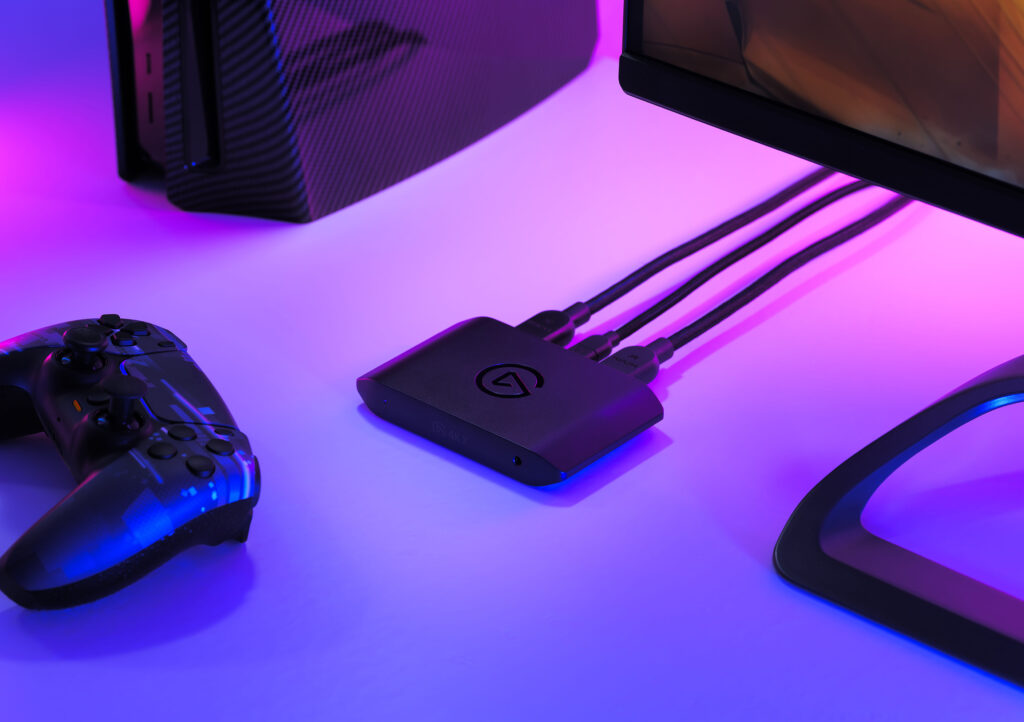
The 4K X is the successor to Elgato’s popular 4K60 Pro, which was the gold standard for capture cards for years. The new device supports 4K resolution at 144 frames per second for both capture and passthrough, addressing the needs of competitive gamers who use high-refresh-rate monitors. The passthrough feature is critical; it allows the gamer to play on a high-refresh-rate monitor while capturing at the same resolution and frame rate, eliminating the compromise that earlier capture cards required.
The latency of the Elgato 4K X has been reduced to near-zero. The device uses a new processing architecture that captures and passes through the video signal with less than one frame of delay. For competitive gamers, this means the capture card does not affect gameplay; the experience is indistinguishable from playing without capture. For streamers, this means they can interact with their audience in real-time without the delay that previously made conversation difficult.
The software that accompanies the 4K X has been completely redesigned. Elgato’s 4K Capture Utility now includes AI-powered features that simplify the streaming process. The software can automatically create highlight clips from gameplay, identifying moments of high action or audience engagement. It can apply scene transitions, overlays, and effects without requiring the user to configure complex software like OBS. The software is designed for streamers who want to focus on their gameplay and audience rather than on technical configuration.
The multi-device support of the 4K X addresses the needs of streamers who use multiple gaming platforms. The device can capture from any HDMI source, making it compatible with PlayStation, Xbox, Nintendo Switch, and PC. The device can switch between sources without reconfiguration, allowing streamers to move between platforms seamlessly. The dual-stream functionality allows the streamer to send one stream to a platform like Twitch while recording another stream at higher quality for later editing.
The integration with streaming platforms has been improved. The 4K X includes dedicated buttons for Twitch and YouTube, allowing streamers to start and stop streams without touching their computer. The device includes audio mixing that combines game audio, microphone input, and chat audio into a single stream, simplifying the audio setup that is often the most complex part of streaming. The audio quality has been improved with 24-bit/96kHz processing, providing clarity that earlier capture cards could not match.
The capture card market has become competitive. AVerMedia has released the Live Gamer ULTRA 2, which offers similar capabilities to the 4K X at a lower price point. NZXT has entered the capture card market with the Signal HD60, targeting streamers who want a simpler, less expensive option. The competition is driving innovation and reducing prices, making high-quality capture accessible to a broader range of streamers.
The capture card evolution represented by the 4K X is about more than hardware; it is about the professionalization of game streaming. The streamers who built audiences with basic equipment now have access to tools that were previously available only to professional broadcasters. The quality of game streams has increased dramatically, and the ease of creating high-quality content has expanded the pool of creators who can build audiences. The 4K X is not just a capture card; it is a tool for the creator economy.